How to Question the Camera as a Witness
The most powerful enemy that has confronted us, indeed. /…/ That is to say, the incorruptible Kodak – and all the harmony went to hell! The only witness I have encountered in my long experience that I couldn’t bribe.
— This phrase was told by King Leopold II of Belgium, though not in reality, but in Mark Twain’s 1905 anti-colonialist pamphlet, King Leopold’s Soliloquy, a sharp political satire of Leopold’s brutal colonial crimes. In 1908, after decades of international protest, he was finally forced to relinquish his 40-year reign of terror in the Congo. Photographs by English missionary Alice Seeley Harris played a decisive role in shaping public opinion. Her Kodak No. 2 Folding Brownie camera appears in B. H. Nadal’s New York Times drawing and in Mark Twain’s text, showing the mighty king bowing under the superpower of incorruptible photography.

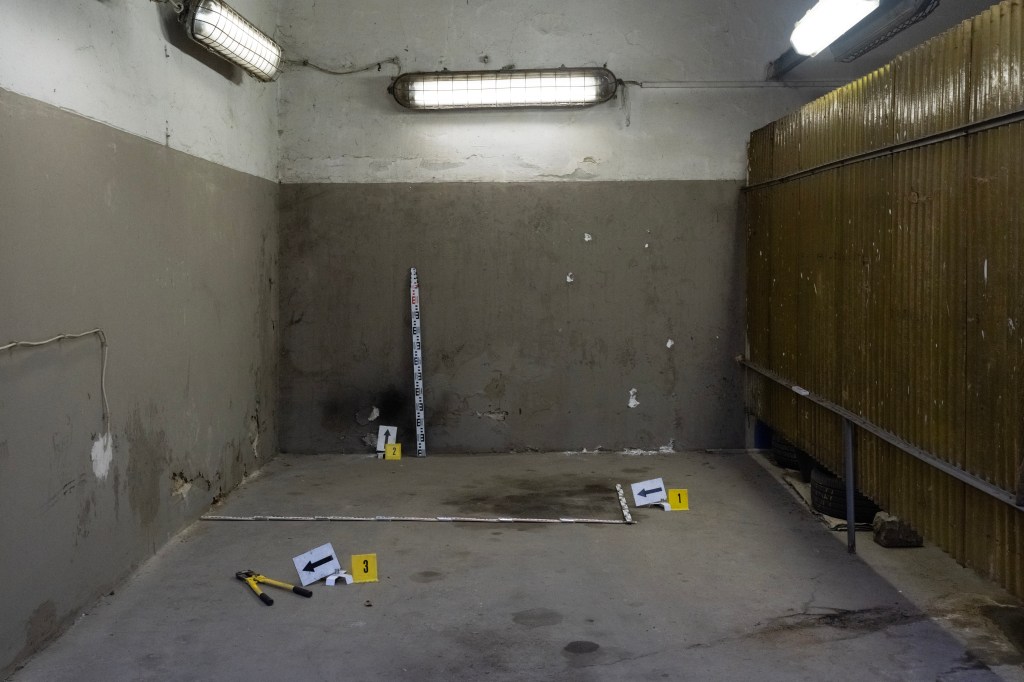
With technological advances, forensic use of photographic images began, pioneered by Alphonse Bertillon, who set criminal record standards and, from 1903, produced the first crime scene photos. Forensic science continues to use technical images, formalized with markers and tools for an unambiguous record.
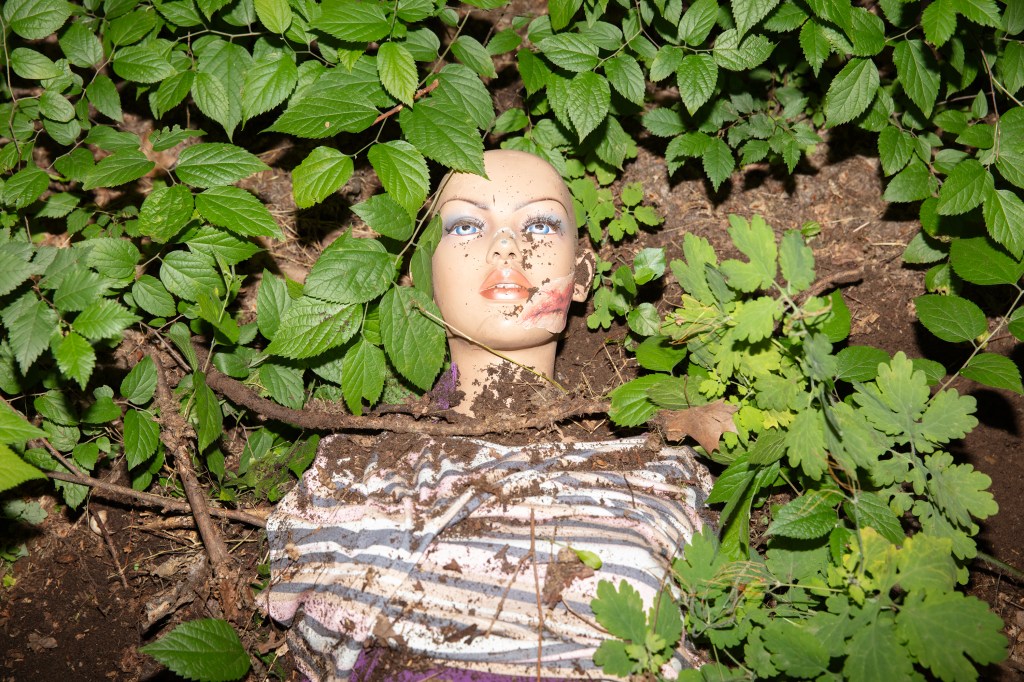
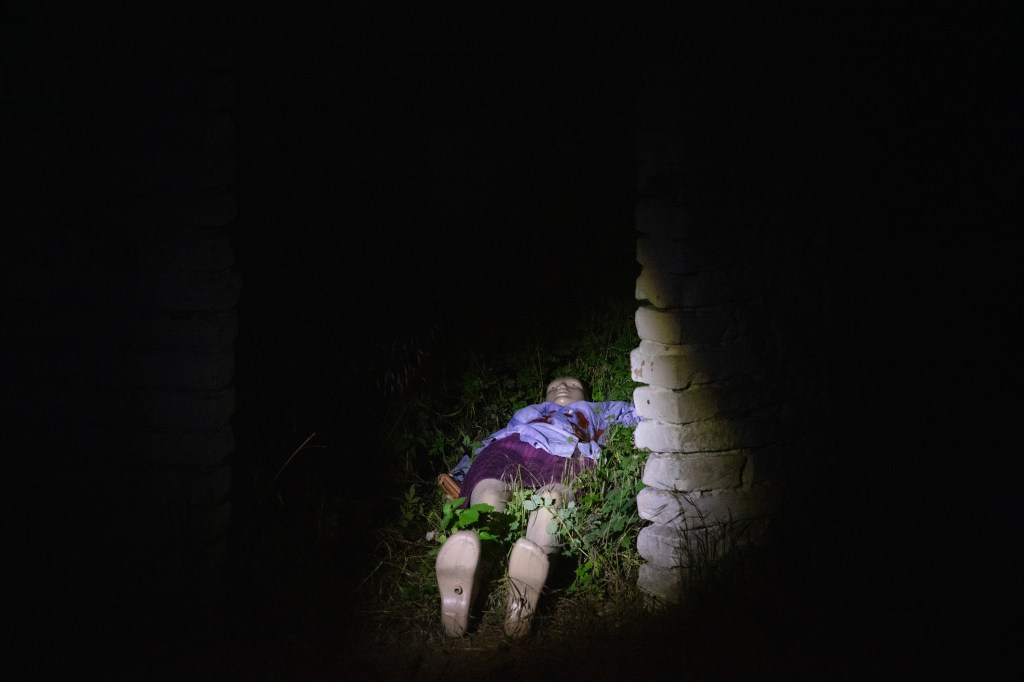
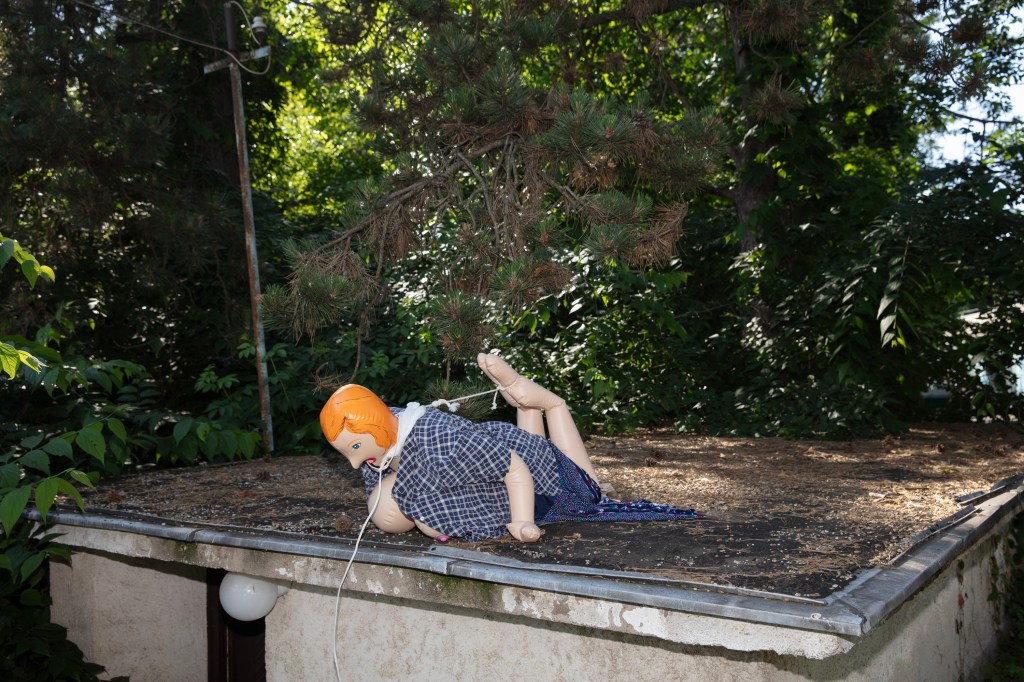
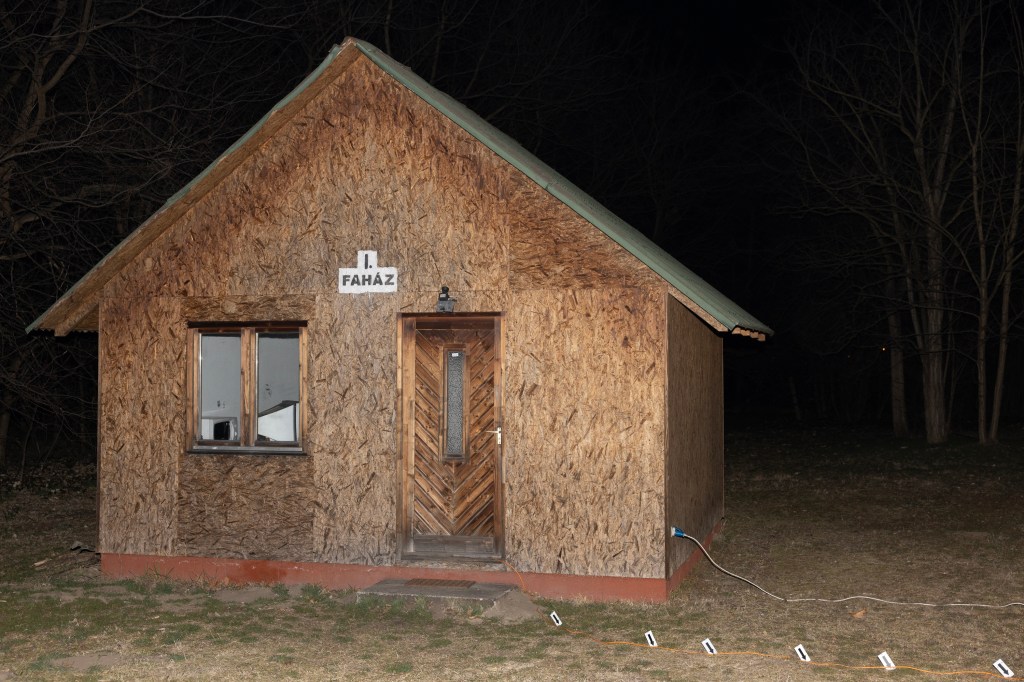
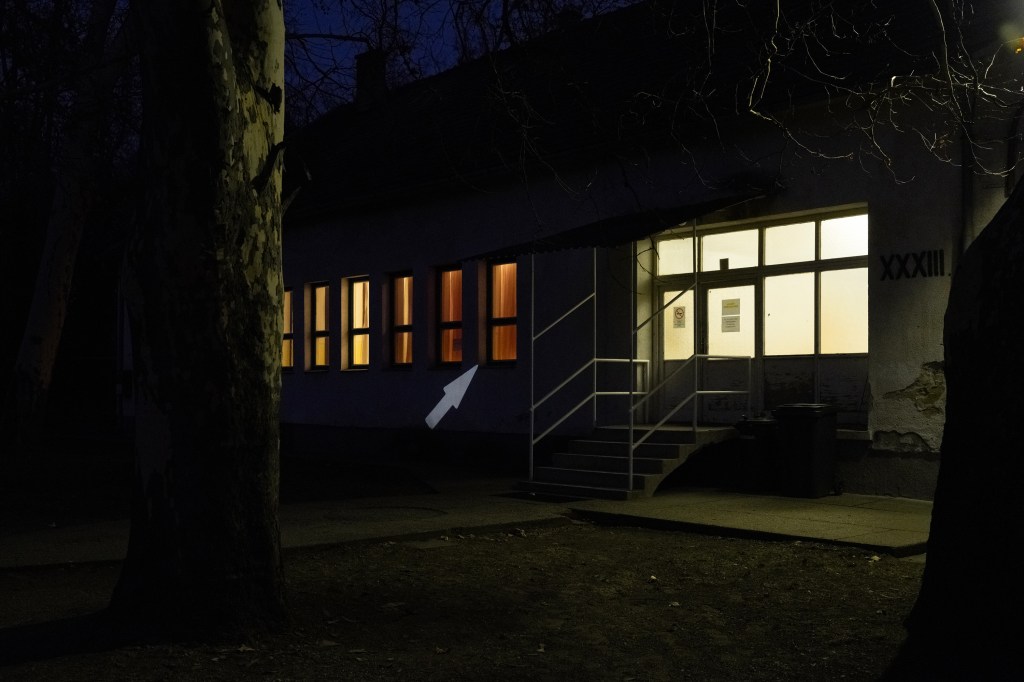
Photographer and archivist Szabolcs Barakonyi observed police training, followed officers to real crime scenes in Cold Trail, then shifted his focus to police photography methodology. In Documentary Studies, photos taken during controlled exercises follow forensic principles to reconstruct events accurately. Crime photography aims to capture scenes objectively, in detail, and without emotion, producing clear evidential documents.
Barakonyi investigates the camera’s role—in the hands of policemen—in uncovering the truth.
Emese Mucsi, Robert Capa Contemporary Photography Center Budapest








 Szabolcs Barakonyi